Pluies meurtrières dans la Zona da Mata
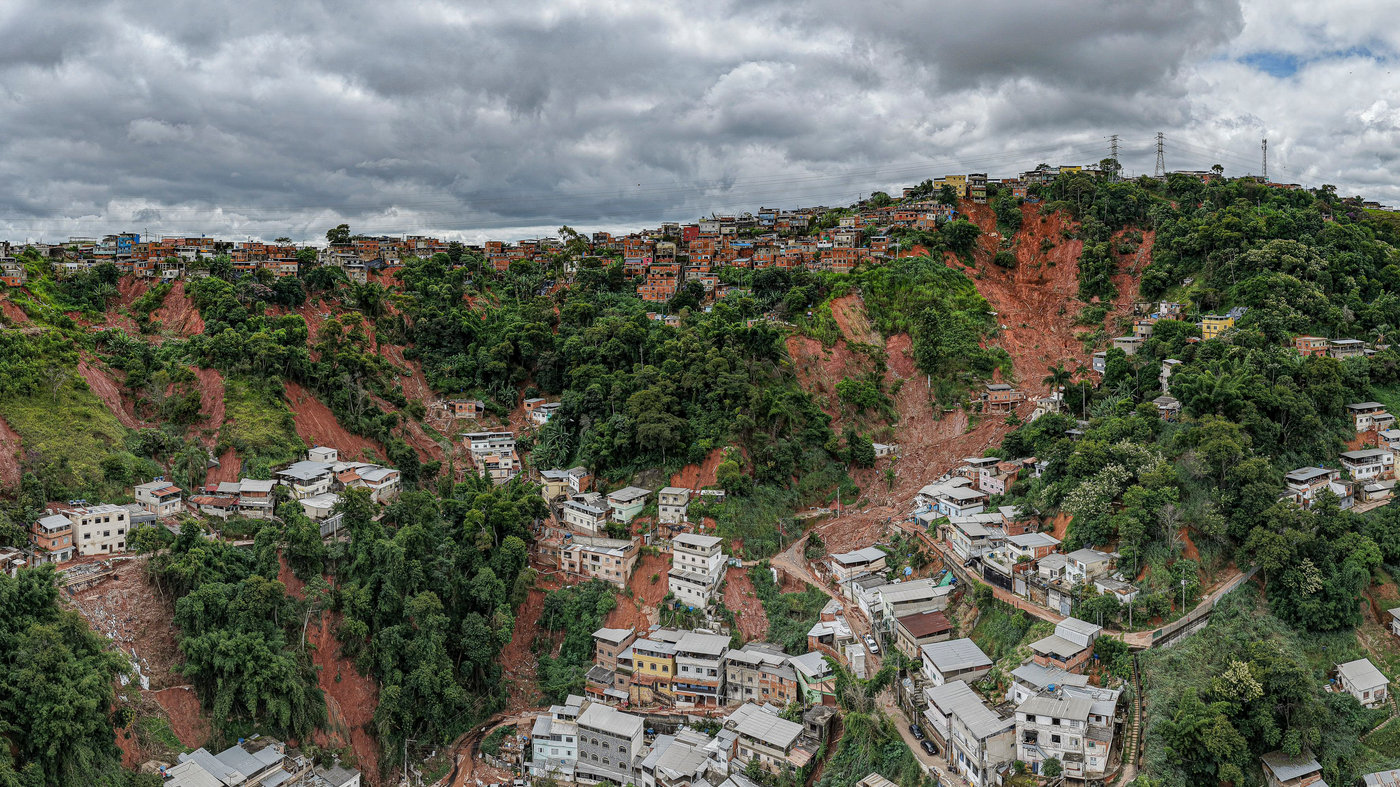
Late February 2026 brought catastrophic rains to the Zona da Mata region of Minas Gerais, with Juiz de Fora and Ubá among the cities hit hardest. From the 23rd through the 27th, rainfall far exceeded anything typical for that time of year, sending rivers over their banks, flooding streets, and triggering landslides across hillside neighborhoods.
The toll was devastating — dozens of lives lost, many more people missing or injured, and thousands forced to abandon their homes. Entire streets were cut off, houses crumbled, and basic services like power and running water disappeared for large stretches of the affected areas. Communities built on slopes and along riverbanks bore the worst of it, as they so often do.
Firefighters, Civil Defense teams, and ordinary volunteers threw themselves into the response pulling people from the rubble, evacuating families, and doing whatever they could in increasingly difficult conditions. Emergency shelters opened across the region as city and state officials scrambled to coordinate aid and begin thinking about what comes next.
What happened in Zona da Mata is a story that repeats itself in southeastern Brazil every summer. The rains are brutal, yes — but the destruction is also the product of years of people having little choice but to settle in flood-prone valleys and unstable hillsides. Until there’s a serious commitment to urban planning and risk prevention, tragedies like this one won’t be the last.