Le scandale Banco Master ébranle la confiance dans les institutions
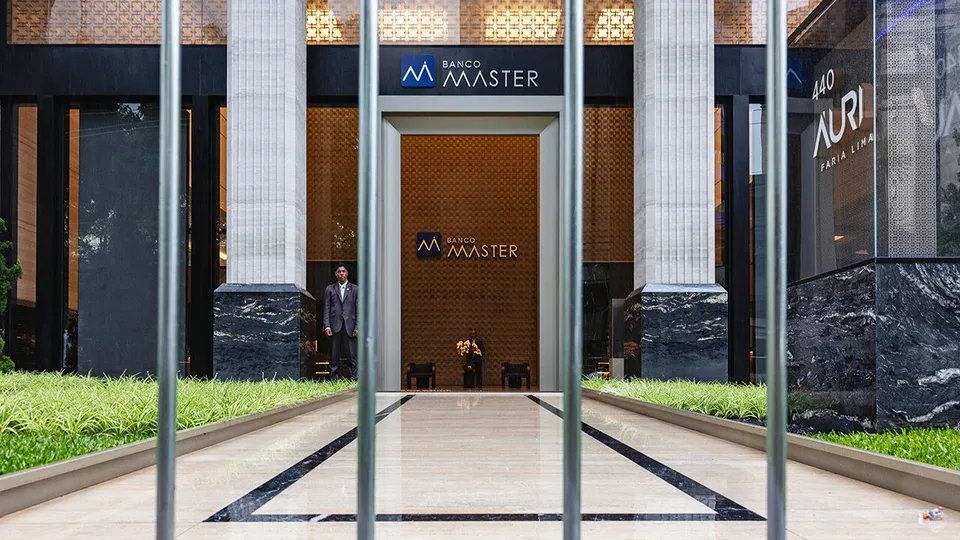
Brazil found itself in the grip of a serious financial crisis in December 2025 when Banco Master, a private bank, suddenly collapsed. Police investigations uncovered what they described as massive accounting fraud, including over R$12 billion in “ghost credits”—essentially money that existed only on paper. The Central Bank stepped in quickly, shutting down the bank and removing its top executives. This sent shockwaves through Brazil’s financial community, leaving investors and government officials worried about what might come next.
What really caught people’s attention, though, wasn’t just the size of the fraud. It was who ended up connected to it. Reports emerged that Banco Master had a contract worth around R$129 million with a law firm owned by Viviane Barci de Moraes—who happens to be married to Alexandre de Moraes, a Supreme Court justice. The firm was supposedly providing legal advice and representation to the bank. You can imagine how that looked to critics, who immediately started asking uncomfortable questions about conflicts of interest and whether powerful people were getting too cozy with a bank that was, as it turned out, running a massive scam.
Things got even messier when people learned that Alexandre de Moraes had been in contact with Gabriel Galípolo, the Central Bank president, about Banco Master. There was apparently talk about selling the troubled bank to Banco de Brasília, though that deal fell through once the extent of the fraud became clear. Moraes said publicly that his conversations with Galípolo were actually about U.S. sanctions under the Magnitsky Act that affected him and his wife—nothing to do with the bank sale. But the explanations didn’t quite add up for everyone, and some senators started demanding a proper investigation. A few even called for ending the parliamentary recess early to deal with it.
The whole mess has sparked a much bigger conversation in Brazil about trust in institutions. People are asking hard questions about how close relationships between judges, bankers, and lawyers might affect decisions that are supposed to be made impartially. Some see it as part of ongoing political battles in the country, while others just see it as a failure of transparency. Either way, as the year came to an end, the Banco Master scandal left Brazil grappling with how to make sure its financial and legal systems actually work for everyone—not just the well-connected.